

 Forklift LiFePo4 Battery
 Golf Cart LiFePo4 Battery
 Battery Charger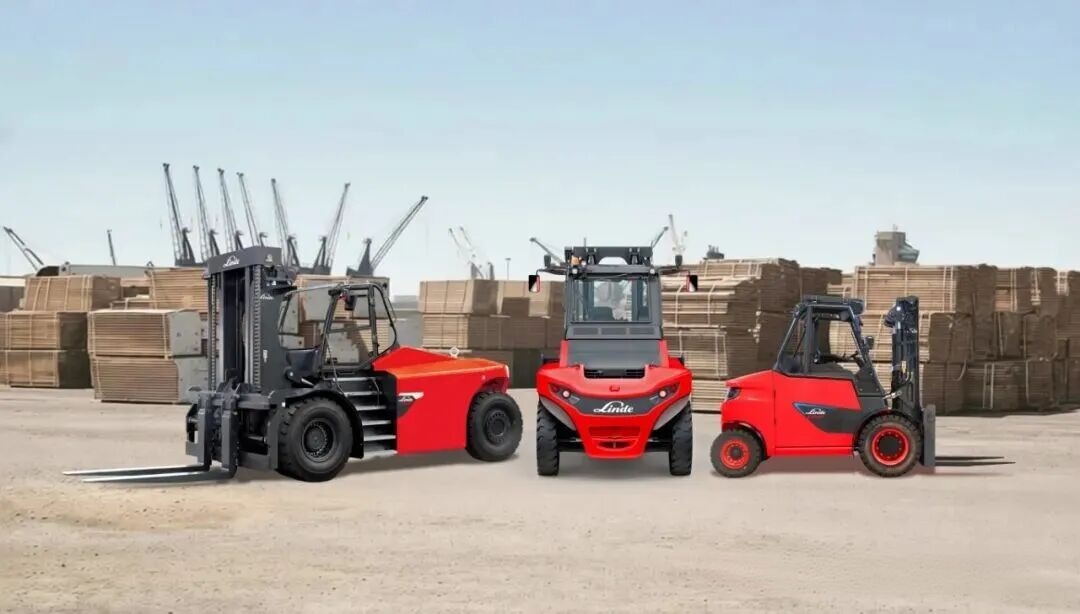
Table of Contents
Linde Material Handling’s appearance at ASEAN Ports and Logistics 2026 put heavy-load material handling back in the spotlight. According to the source article, Linde presented port logistics solutions in Kuala Lumpur. The display focused on heavy-duty forklifts, custom attachments, and equipment for demanding cargo-handling sites.
For global ports, inland terminals, industrial yards, and logistics operators, the news is not only about one exhibitor. Instead, it raises a wider question. How should buyers plan a heavy duty forklift battery for port logistics when heavy trucks must handle longer shifts, larger loads, outdoor work, and tighter schedules?
Linde’s Port Logistics Message at ASEAN Ports 2026
ASEAN Ports and Logistics 2026 took place from July 7 to July 9, 2026. The venue was Sofitel Kuala Lumpur Damansara, Malaysia. The event brought together port authorities, shipping lines, logistics providers, cargo owners, equipment suppliers, and technology companies.
The source article says Linde used the event to present its heavy-truck port logistics capability. It describes a product matrix for heavy-load applications. For example, these applications include port terminals, container-related handling, bulk cargo transfer, and industrial heavy material movement. In addition, Linde discussed custom forks, clamps, lifting tools, and special options for real working conditions.
This matters because buyers rarely purchase heavy-duty forklifts as simple catalog items. In port logistics, the application determines the machine. Cargo profile, duty cycle, ground condition, attachment type, operator visibility, service access, and energy strategy all affect uptime. Therefore, each project needs a site-level review before purchase.
Why Heavy Port Handling Is Becoming an Energy-System Question
Heavy forklifts have traditionally relied on diesel power. This is common in outdoor yards, steel handling, ports, construction material sites, and paper or timber operations. However, official Linde product information shows a clear shift. Electric heavy-duty forklifts now reach higher load classes. Some models also offer lead-acid or lithium-ion battery options for demanding applications.
As a result, the buying conversation changes. A port operator evaluating electric fork truck batteries cannot look only at nominal voltage or battery price. The heavy duty forklift battery for port logistics must fit a complete power platform. That platform includes the truck, charger, BMS, thermal controls, service support, charging window, shift pattern, and load intensity.
What Buyers Should Watch in Heavy-Duty Forklift Electrification
1. Load class and duty cycle come first
Port and yard handling often involves irregular load sizes, long travel distances, harsh surfaces, and high peak power demand. A battery may perform well in a standard warehouse. However, it may struggle outdoors with dense cargo, ramps, heat, dust, and long operating hours.
Therefore, buyers should map real operating data before choosing forklift truck batteries. Useful inputs include average load, peak load, lift height, travel route, shift length, idle time, charging access, ambient temperature, and maintenance capacity.
2. Charging infrastructure must match port schedules
In container yards and port-linked warehouses, vessel schedules can drive equipment demand. Truck gates and cargo release timing also affect daily pressure. As a result, charging cannot become a bottleneck. A lithium ion forklift battery may support opportunity charging. However, the charger, connector, BMS, and site layout must work together.
For buyers comparing battery options, Baufar’s Forklift Battery Terms Explained article explains Ah, V, Wh, C-rate, SOC, and SOH. These figures matter in port logistics. They help teams keep heavy equipment predictable over multiple shifts.
3. Attachment customization changes power demand
The source article highlights custom attachments such as forks, clamps, lifting tools, and special options. This is a practical point. Attachments can change the truck’s center of gravity, operating weight, cycle time, and hydraulic load. In turn, those changes can affect battery sizing and energy consumption.
Before selecting a heavy duty forklift battery for port logistics, buyers should confirm the attachment plan. For example, the truck may use standard forks, coil clamps, container-related attachments, pipe handling tools, or multi-pallet attachments.
Battery Selection Checklist for Port Logistics Equipment
- Truck class: confirm load capacity, voltage platform, axle load, and operating environment.
- Application: port terminal, warehouse, steel yard, construction material yard, paper roll handling, or mixed cargo site.
- Battery chemistry: compare lead-acid and lithium-ion options for runtime, charging time, maintenance, weight, and service needs.
- Charging plan: define full charging, opportunity charging, spare-battery strategy, and peak electricity demand.
- BMS visibility: require SOC, SOH, temperature, fault records, voltage, current, and cycle data.
- Safety: review charger location, cable routing, collision protection, operator training, emergency procedure, and local compliance rules.
- Service support: confirm spare parts, charger support, battery diagnostics, and response time for port or yard operations.
- Total cost: include battery price, charger cost, energy use, downtime risk, maintenance labor, and expected replacement cycle.
Where Baufar Battery Fits into the Discussion
The Linde news focuses on heavy-truck port logistics. However, the buyer lesson applies across electric material handling. Battery selection should match the real job, not just the forklift brand. For standard and custom electric forklift applications, Baufar provides voltage-specific lithium options. These include 48V forklift lithium batteries, 80V forklift lithium batteries, and custom forklift lithium batteries.
Meanwhile, more operations teams are moving from conventional forklifts to electric and connected fleets. Baufar’s article Electric Forklift Battery Technology: From Product Upgrade to System-Level Performance explains this shift. It shows why buyers should treat the battery as part of a wider fleet-performance system.
Industry Outlook: Ports Need Reliable Power, Not Just Bigger Trucks
Linde’s participation in ASEAN Ports and Logistics 2026 shows one clear trend. Heavy-duty material handling remains central to Southeast Asian port and logistics development. As regional trade grows, port infrastructure will keep upgrading. Buyers will also need equipment that handles heavier cargo safely and efficiently.
The next stage is not simply larger forklifts. Instead, buyers need better-matched equipment packages. These packages include heavy trucks, attachments, fleet management, chargers, battery systems, service planning, and operator safety. For electric fleets, the heavy duty forklift battery for port logistics will help decide real uptime under port conditions.
Featured Forklift LiFePo4 Battery
48V Forklift Battery
51.2v 460Ah Forklift Lithium Battery For BT RR-M6
48V Forklift Battery
Nichiyu FB25PN-75 Forklift Lifepo4 Battery 48V 460Ah
80V Forklift Battery
Forklift Lithium-ion Battery 80v 404Ah for Toyota 7FB30-7FBJ35
48V Forklift Battery
Forklift Lithium Battery 51.2v 404Ah for Still FM-X
48V Forklift Battery
48V 519Ah Lifepo4 Lithium Battery for Heli CPD20/25-GB2/GD Forklift
80V Forklift Battery
80V 404Ah Lifepo4 Lithium Battery for CPD30/35-G1/G3 Forklift
80V Forklift Battery
80V 560AH Lifepo4 Lithium Battery for HELI CPD35-GD2
80V Forklift Battery
80V 600Ah LiFePO4 Lithium Battery for NICHIYU FBC25/30P Forklift