


 Forklift LiFePo4 Battery
 Golf Cart LiFePo4 Battery
 Battery Charger
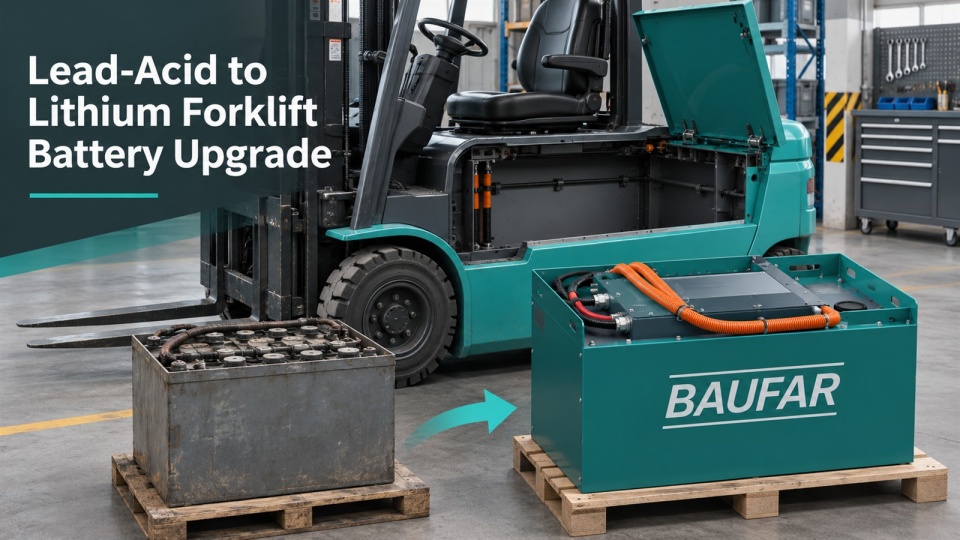
A lead-acid to lithium forklift battery upgrade can reduce battery handling and create more flexible charging, but the conversion must fit the truck and its work cycle. Start with the operating data, then verify voltage, charger settings, BMS communication, battery weight, mounting and the truck manufacturer’s requirements. A lithium pack that only fits the compartment […]
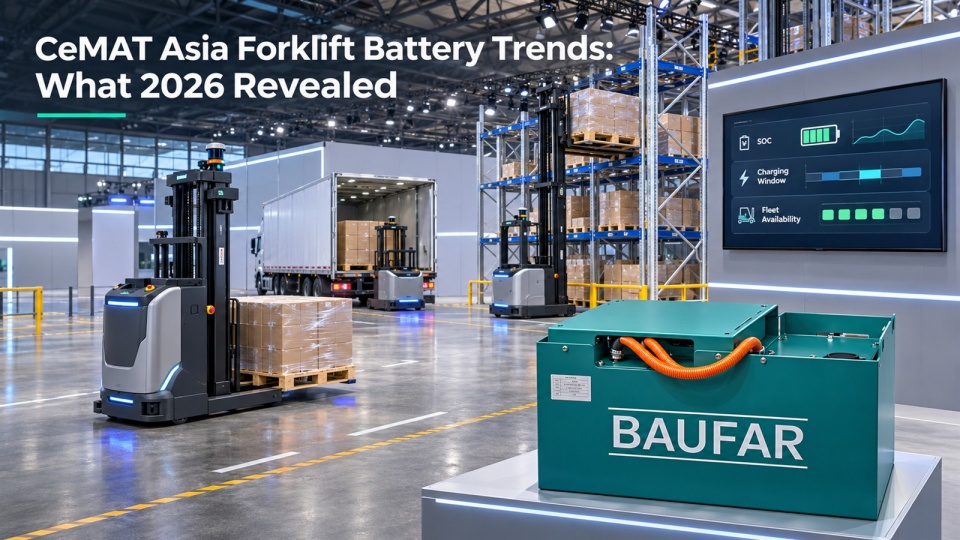
CeMAT Asia forklift battery trends in 2026 showed a clear shift in autonomous material handling. The industry no longer asks only whether a forklift can move without a driver. Buyers now ask whether the complete system can run every shift, recover from interruptions, charge at the right time and justify its cost. CeMAT ASIA 2026 […]
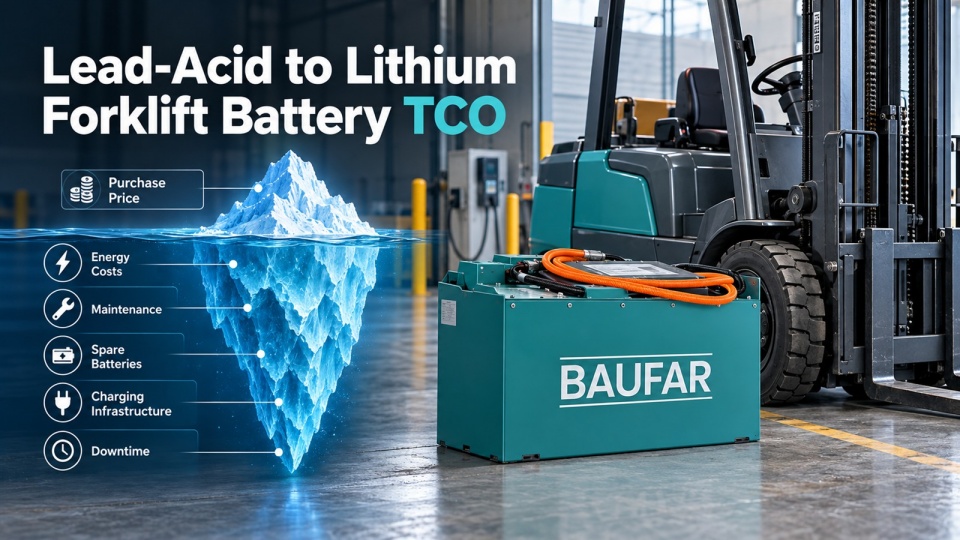
A lead-acid to lithium forklift battery TCO comparison should answer one practical question: which system costs less to deliver the required truck availability over the selected ownership period? The invoice price is only the first line. Energy, labor, replacement batteries, charging space, battery changes, downtime and conversion work can materially change the result. There is […]
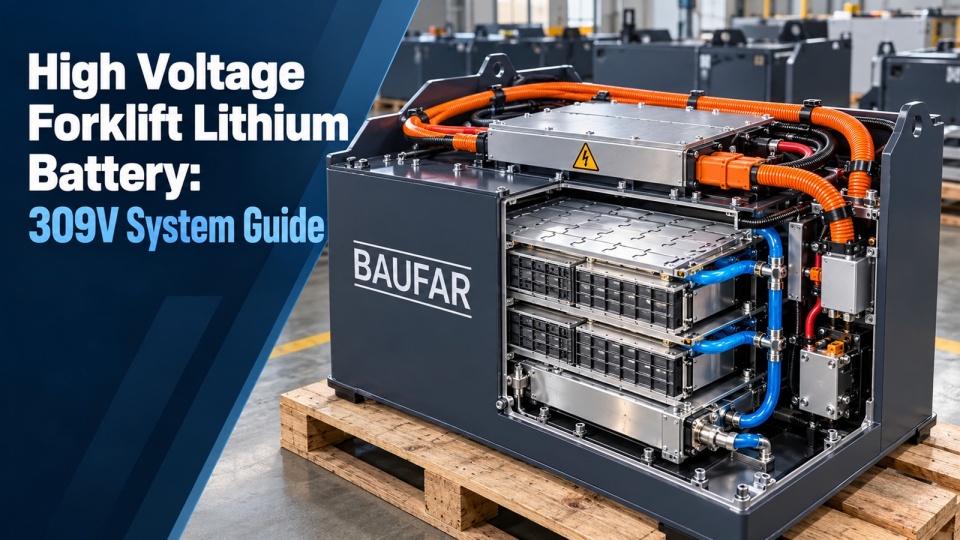
A high voltage forklift lithium battery is more than a larger version of an 80V traction pack. A 309V system changes current levels, charger design, insulation requirements, thermal management and the way the battery communicates with the truck. For buyers, the useful question is not whether high voltage sounds more powerful. It is whether the […]
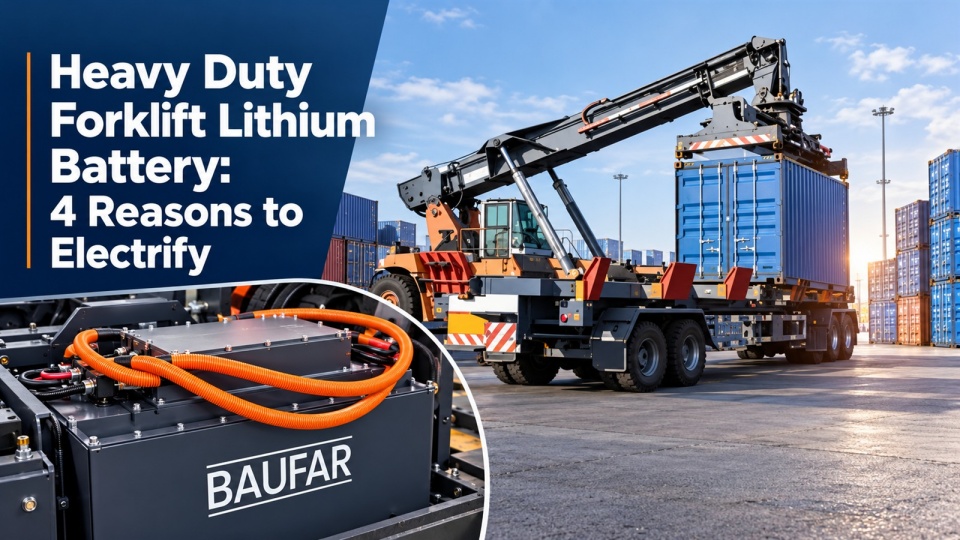
A heavy duty forklift lithium battery is now a practical option for more ports, factories, timber yards and distribution centers. The decision still needs more than a comparison of diesel fuel and battery capacity. Fleet managers must check load profile, travel distance, gradients, temperature, charging windows and site power before deciding whether electrification will improve […]
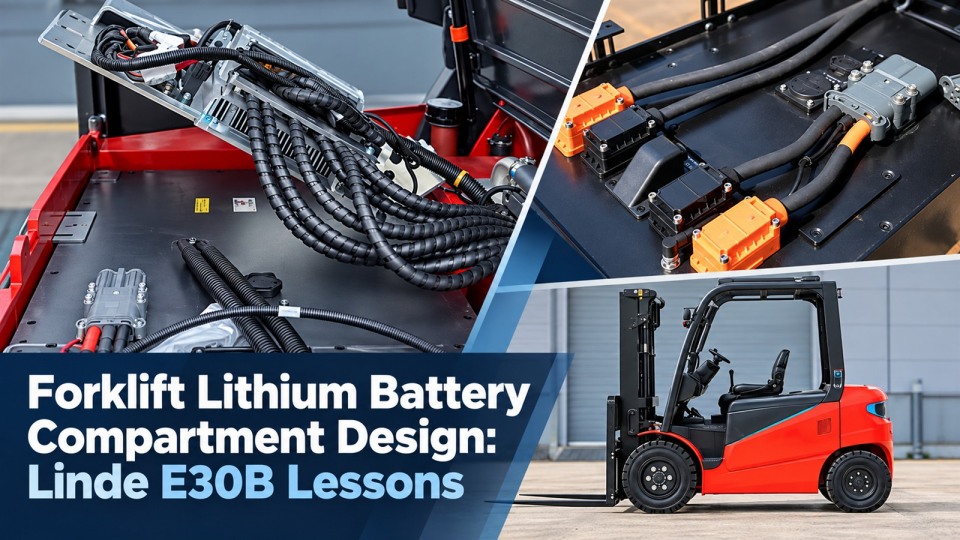
Forklift lithium battery compartment design is easy to overlook when buyers compare voltage, capacity and charging time. Yet the battery bay decides whether a pack can be restrained correctly, connected cleanly and serviced without unnecessary work. The Linde Series 1294 E30B offers a useful example because its compact installation brings the battery restraint, cable routing […]
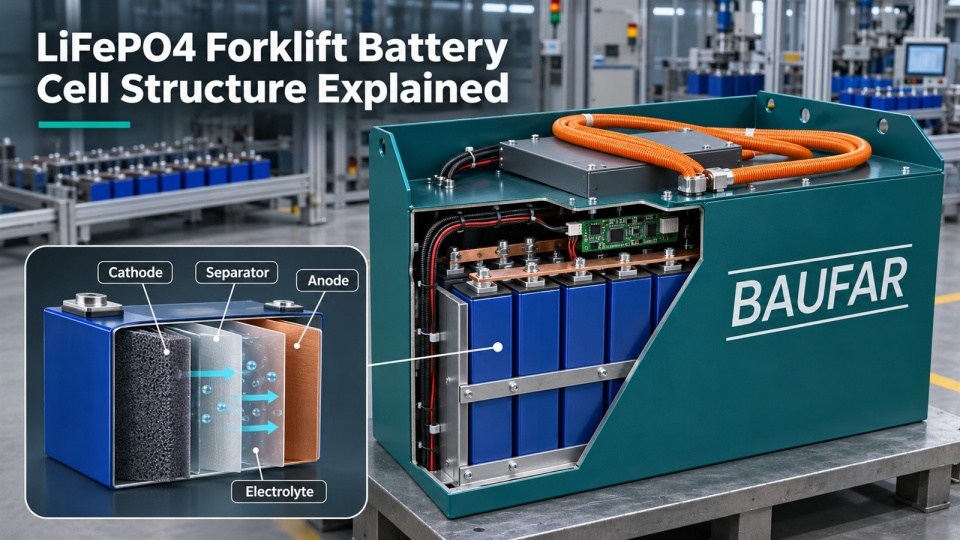
LiFePO4 forklift battery cell structure matters because a traction battery must deliver both energy and short bursts of power while operating through vibration, temperature changes and repeated charging. A buyer does not need to become an electrochemist, but understanding what happens inside the cell makes it easier to evaluate C-rate, charging limits, thermal control, BMS […]
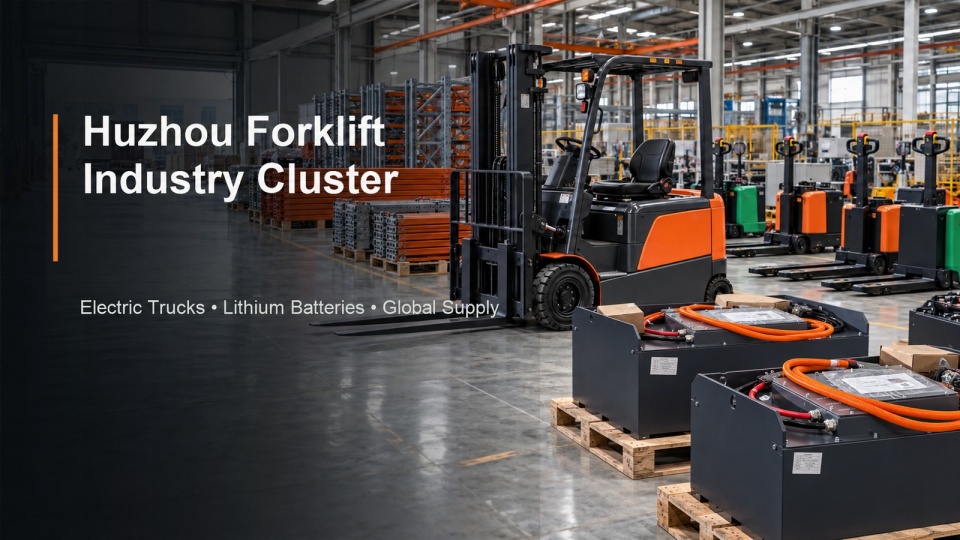
The Huzhou forklift industry cluster deserves more attention from global buyers. Huzhou is not a coastal port city. It is not a traditional steel base either. Yet it has built a strong position in warehouse handling equipment, electric storage trucks and logistics systems. For overseas distributors and fleet buyers, this matters for one simple reason. […]
Electric forklift automation software is becoming a serious buying topic for global warehouses. The conversation is no longer only about truck capacity, mast height or travel speed. Instead, buyers now ask how forklifts connect with WMS, ERP, AGV fleets, conveyors, storage systems and charging infrastructure. Recent product signals from major forklift brands show the same […]
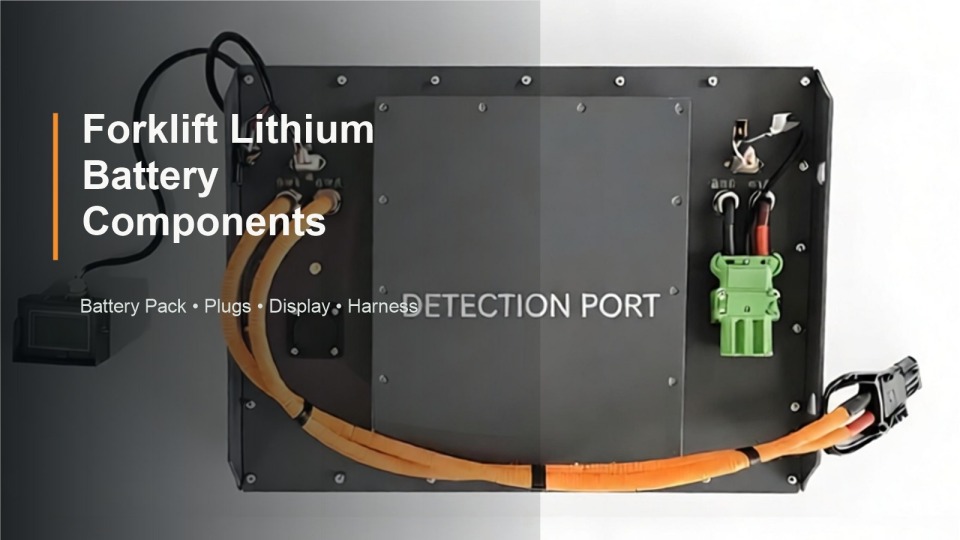
A complete forklift lithium battery system includes the pack, power connectors, charging plug, display and service interfaces. A forklift lithium battery components guide helps buyers look beyond the battery box. The pack matters, of course. However, plugs, cables, display wiring and service ports decide whether the system is easy to install, inspect and use every […]